Web 3 & Modern Schools: Preparing Future-Ready Learners
Published: February 11, 2026
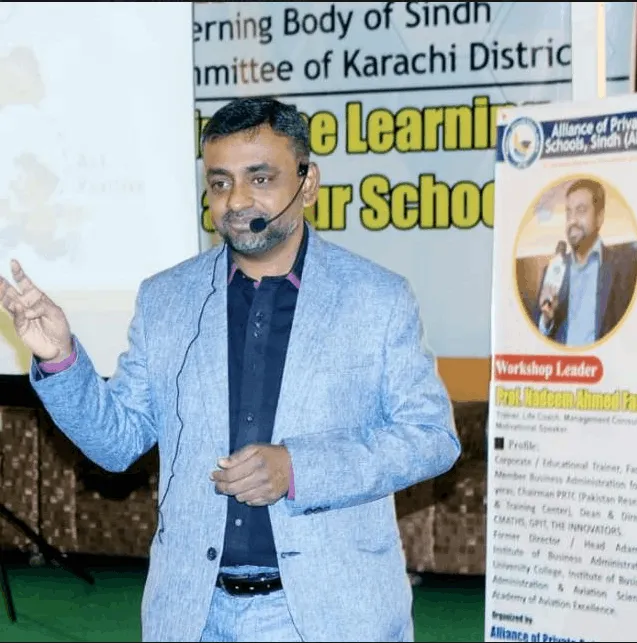
By Prof. Nadeem Ahmed Faraz
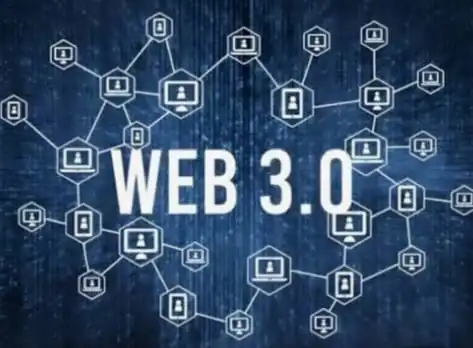
Education is evolving beyond textbooks and smartboards. With the emergence of Web 3.0, modern schools are entering an era of decentralization, digital ownership, and intelligent connectivity. Web 3, powered by blockchain, artificial intelligence, and decentralized systems, offers schools a transformative opportunity to redefine learning, trust, and transparency.
Unlike Web 2.0, where platforms control user data, Web 3 enables student-owned digital identities and secure academic records stored on blockchain. This ensures tamper-proof certificates, transparent assessments, and global portability of credentials. According to the World Economic Forum, blockchain has strong potential in transforming education credentialing and lifelong learning systems.
Modern schools can also integrate decentralized learning platforms (dApps), enabling peer-to-peer knowledge exchange, token-based reward systems, and micro-credentialing. UNESCO emphasizes the importance of digital literacy and ethical AI integration in preparing students for the future economy. Web 3 aligns perfectly with this vision by fostering digital responsibility, privacy awareness, and critical thinking.
Moreover, Web 3 introduces financial literacy through decentralized finance (DeFi) concepts, encouraging students to understand digital economies responsibly. As highlighted by the OECD, future education must cultivate innovation, adaptability, and technological competence—core principles embedded within Web 3 ecosystems.
Web 3 is not merely a technological shift; it is a philosophical transformation—empowering students as creators, innovators, and owners of their digital journey. Modern schools that embrace Web 3 thoughtfully will nurture a generation prepared not just to use technology, but to lead its evolution.