Pakistan Ports as a Strategic Maritime Powerhouse (2026): Policy Report Amid Iran–Israel War
Published: April 2, 2026

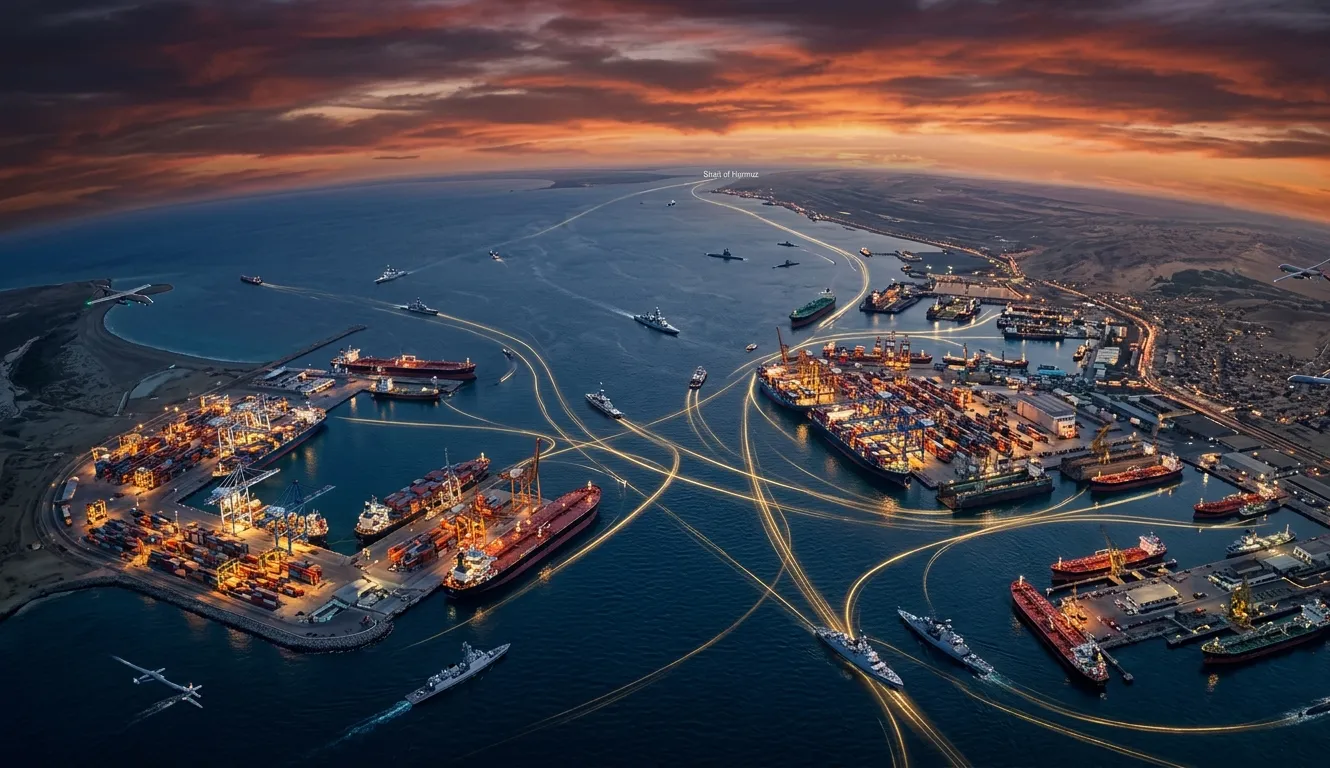
The ongoing geopolitical tensions between Iran and Israel have triggered a significant realignment in global maritime trade routes, positioning Pakistan—particularly Karachi Port Trust (KPT) and Port Qasim Authority (PQA) in Karachi—as emerging safe and strategic alternatives. With disruptions near the Strait of Hormuz, global shipping lines are increasingly diverting toward Pakistan, creating a high-impact economic opportunity.
1. Strategic Context: War-Induced Maritime Shift
The Strait of Hormuz facilitates nearly 20% of global oil trade (U.S. EIA). Current conflict dynamics have:
- Increased security risks and insurance premiums
- Caused route diversions and port congestion in Gulf hubs
- Forced shipping companies to seek stable, cost-efficient alternatives
➡️ Pakistan’s ports are now functioning as regional safe corridors for maritime trade
2. Surge in Port Activity & Capacity Utilization
Recent trends indicate:
- Significant increase in vessel arrivals and cargo handling at KPT and PQA
- Underutilized capacity (~3.8M TEUs used vs. ~6M potential) now being rapidly absorbed
- Growth in transshipment, anchorage, and logistics services
➡️ Karachi is transitioning into a high-demand maritime logistics hub
3. Economic Opportunity for Pakistan
Revenue Generation Channels
- Ship berthing and anchorage (parking) fees
- Transshipment handling and container services
- Fuel supply, repair, and maintenance services
- Storage, warehousing, and inland logistics
Projected Economic Gains
- Short-term port revenue growth: 25%–40%
- Increased foreign exchange inflows
- Expansion in employment across logistics and shipping sectors
4. Strategic Economic Transformation
This shift presents Pakistan with an opportunity to evolve into a:
- Regional Transshipment Hub
- Logistics & Supply Chain Gateway for Central and South Asia
- Key player in China–Pakistan Economic Corridor (CPEC) trade expansion
5. Policy Recommendations
Immediate (0–6 Months)
- Introduce competitive port tariffs and incentives
- Ensure 24/7 uninterrupted port operations
- Fast-track custom clearance and digital documentation
Medium-Term (1–3 Years)
- Expand container handling to full 6M TEU capacity
- Strengthen integration with Gwadar Port
- Develop modern warehousing and logistics parks
Long-Term (3–10 Years)
- Establish Pakistan as a “Regional Maritime & Logistics Hub”
- Deploy AI-driven smart port systems
- Enhance naval and cybersecurity infrastructure for port protection
6. Risk Assessment
While opportunities are substantial, key risks include:
- Escalation of regional conflict affecting Pakistan directly
- Infrastructure bottlenecks due to sudden demand surge
- Global shipping volatility and insurance fluctuations
➡️ Strategic planning and proactive governance are essential.
Conclusion
The Iran–Israel conflict has inadvertently opened a strategic economic window for Pakistan. The ports of Karachi—KPT and Port Qasim—are now positioned to become critical nodes in global maritime trade.
With visionary leadership, policy execution, and infrastructure readiness, Pakistan can convert this temporary shift into a sustainable, long-term economic advantage, transforming itself into a regional maritime power and logistics leader.
References
- U.S. Energy Information Administration (EIA) – Strait of Hormuz Trade Data
- World Bank – Global Trade & Logistics Reports
- UNCTAD – Maritime Transport Review
- Government of Pakistan – Port & Shipping Statistics