Green Economy: A Global Perspective 2030
Published: January 31, 2026
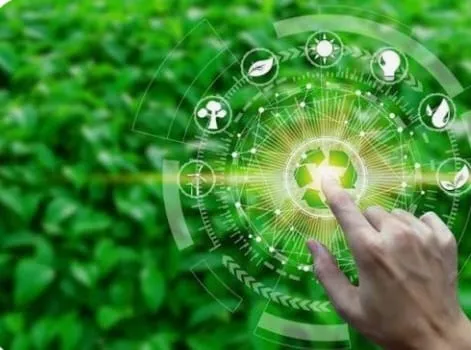
The global shift toward a green economy represents one of the most consequential transformations of the 21st century—bridging economic growth with ecological integrity and social inclusion. By redefining value creation through sustainable practices, the green economy unlocks new industries, accelerates climate action, and expands opportunities for millions. According to the World Economic Forum, the green economy is projected to exceed $7 trillion in annual value by 2030, driven by investments in clean energy, circular systems, and sustainable infrastructure—a scale second only to digital technologies in global growth impact.¹
For developing and emerging countries, this transition carries profound implications. The United Nations Development Programme (UNDP) emphasizes that integrating green strategies into national development planning can significantly reduce poverty, bolster resilience, and ensure equitable access to resources.² Complementing this, the United Nations Environment Programme (UNEP) highlights how inclusive green growth can achieve multiple Sustainable Development Goals—simultaneously advancing climate, biodiversity, and human wellbeing objectives.³
Regional development institutions are central to financing this transition. The Asian Development Bank (ADB) estimates that climate-smart investments could generate tens of millions of new jobs across Asia by 2030, especially in renewable energy, sustainable agriculture, and low-carbon transport.⁴ The International Labour Organization (ILO) further asserts that green industries are poised to become major employment hubs, necessitating targeted skills development and just transition policies.⁵
The green economy by 2030 is thus not only an environmental aspiration but a pragmatic, inclusive, and economically robust pathway toward sustainable global prosperity.
References
- World Economic Forum (WEF). The Multi-Trillion Dollar Opportunity: How the Green Economy is Transforming Global Growth by 2030. Geneva: World Economic Forum, 2024.
- United Nations Development Programme (UNDP). The Future of Growth: Sustainable Development Pathways to 2030. New York: UNDP, 2023.
- United Nations Environment Programme (UNEP). Inclusive Green Economies and the 2030 Agenda for Sustainable Development. Nairobi: UNEP, 2022.
- Asian Development Bank (ADB). Green Recovery and Climate-Resilient Development in Asia and the Pacific. Manila: ADB, 2023.
- International Labour Organization (ILO). World Employment and Social Outlook: Greening with Jobs. Geneva: ILO, 2022.
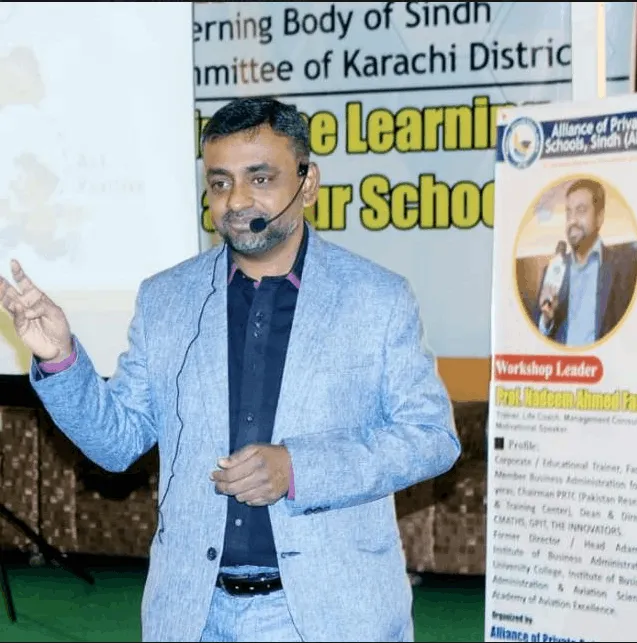
By Prof. Nadeem Ahmed Faraz