From Sci-Fi to Signal: When Thought Meets Technology
Published: Febraury 1, 2026
Introduction
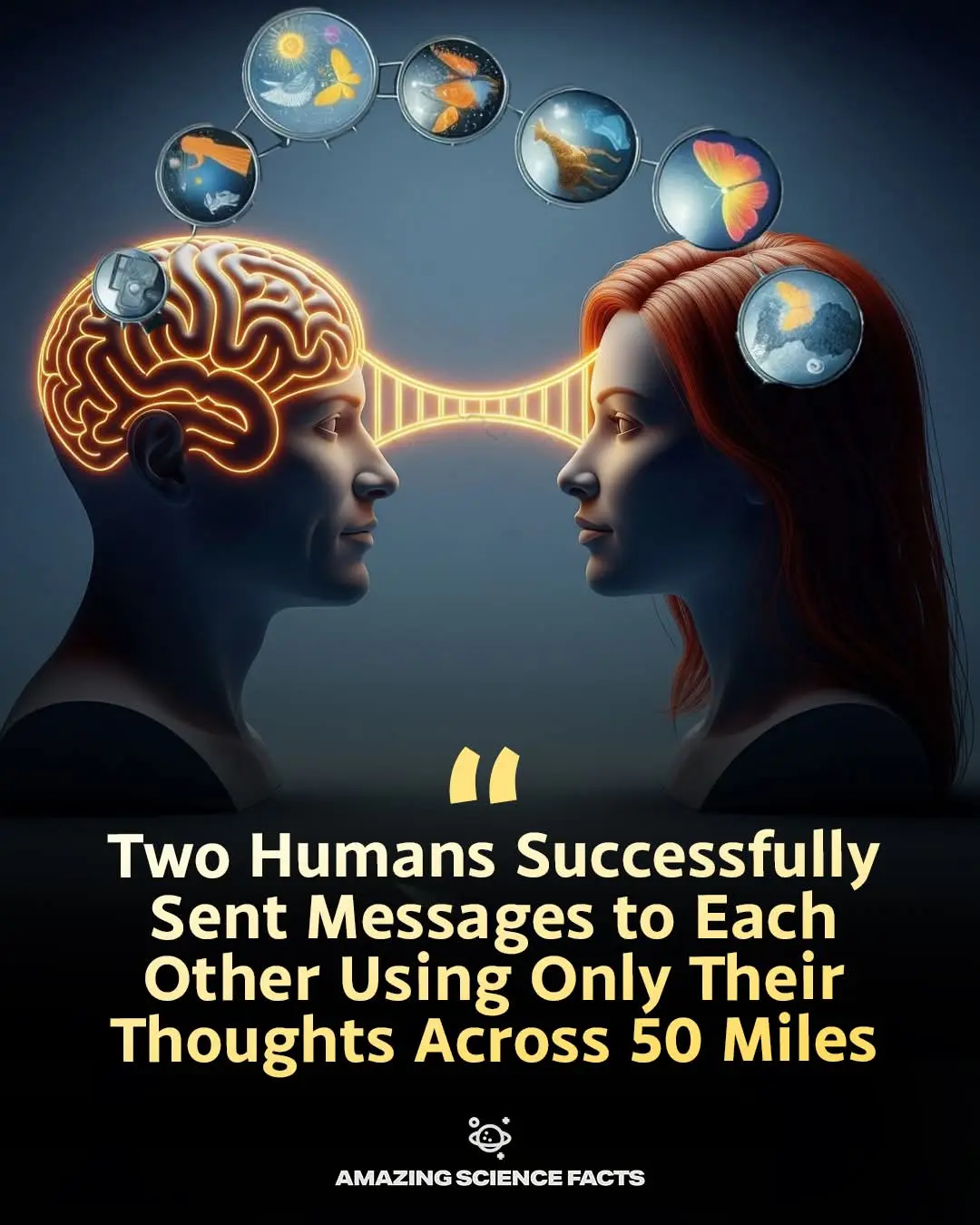
What once belonged to the realm of science fiction has now entered applied science. In a landmark series of experiments, researchers have demonstrated direct brain-to-brain communication using non-invasive brain–computer interfaces (BCIs). In one such study, two human participants successfully played the game 20 Questions without speaking, typing, or gesturing—transmitting intentional neural signals across nearly 50 miles. Thought was encoded, transmitted, decoded, and meaningfully understood.
From Mind Reading to Mind Signaling
As reported by MIT Technology Review, these experiments build upon advances in EEG-based BCIs and neural decoding technologies, where intention-specific brain signals are translated into digital data and relayed across networks. Contrary to popular misconceptions, this is not mind reading. It is mind signaling—a conscious, voluntary exchange of information driven by human intention and cognition.
Research initiatives such as BrainNet and experimental platforms developed by leading neurotechnology laboratories demonstrate how collaborative problem-solving can occur through interconnected human brains. These systems hint at the early formation of collective intelligence structures, sometimes described as a technological “hive mind,” where multiple individuals contribute cognitively to a shared outcome.
Scientific and Societal Implications
The implications of brain-to-brain communication extend far beyond gaming or laboratory demonstrations. Potential applications include rehabilitation, education, defense coordination, and remote collaboration in high-risk environments. As neural interfaces become more precise and accessible, they may redefine communication itself—moving beyond language into intention-based interaction.
However, such advancements also demand rigorous ethical frameworks. Issues of consent, cognitive privacy, data security, and neurological autonomy must be addressed before large-scale deployment becomes feasible.
An Islamic Intellectual Perspective
From an Islamic intellectual tradition, this moment invites reflection rather than fear. The Qur’an repeatedly emphasizes knowledge (ilm), intention (niyyah), and reflection (tafakkur). Allah states:
“And He taught Adam the names of all things” (Qur’an 2:31),
highlighting humanity’s unique cognitive and symbolic capacity. Another verse reminds us:
“We will show them Our signs in the horizons and within themselves…” (Qur’an 41:53).
Technological exploration of the human mind—when guided by ethics and moral responsibility—aligns with Islam’s encouragement to seek knowledge for the betterment of humanity. Classical scholars such as Imam Al-Ghazali emphasized that knowledge divorced from intention and ethics leads to harm rather than progress.
Conclusion
As humanity steps into a new neural era, the true challenge is not connectivity—but wisdom. Brain-to-brain communication technologies hold immense promise, yet their value will ultimately depend on how responsibly they are developed and applied. The future of neurotechnology must be shaped not only by innovation, but by ethical purpose, spiritual awareness, and a commitment to human dignity.
References
- MIT Technology Review. Brain-to-Brain Communication Is Becoming a Reality. MIT Press, 2023.
- Rao, R. P. N., et al. BrainNet: A Multi-Person Brain-to-Brain Interface. Scientific Reports, Nature, 2019.
- Nature Neuroscience. Non-Invasive Brain–Computer Interfaces and the Future of Communication. 2022.
- Qur’an 2:31, 41:53 — Translation by Abdullah Yusuf Ali.
- Al-Ghazali, I. Ihya Ulum al-Din — On intention, knowledge, and ethical use of human faculties.

By Prof. Nadeem Ahmed Faraz