Era of AGI in 2030 & Modern Schools
Published: February 24, 2026

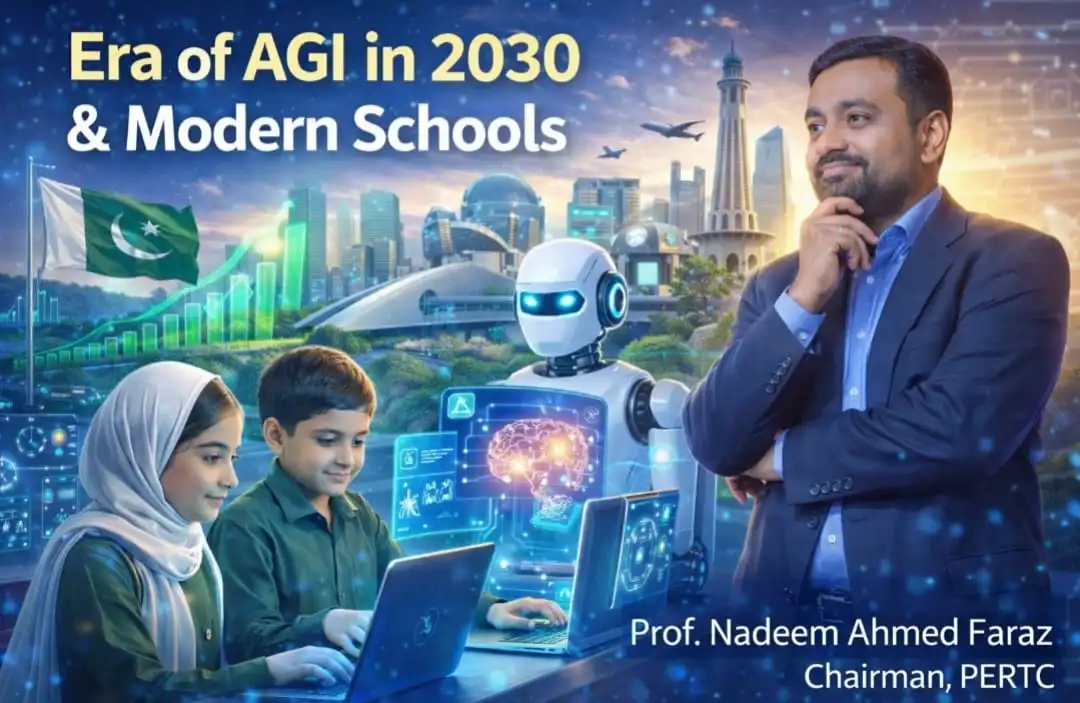
Era of AGI in 2030 & Modern Schools
The Era of Artificial General Intelligence (AGI) is no longer speculative—it is projected to arrive by 2030, transforming global economies, societies, and every sector of work and life. For school leaders, this impending shift demands strategic readiness today, as AGI will redefine skills, pedagogy, and learning outcomes for the next generation.
Recent forecasts estimate that over 60% of future jobs will require AI-related competencies by 2030, and that AI will contribute $15.7 trillion to the global economy by 2030 (PwC, 2023). Students without early exposure to AI literacy, computational thinking, and ethical decision-making risk facing a significant skills gap. A study by McKinsey (2024) indicates that 40% of current school curricula are misaligned with future workforce demands, particularly in digital fluency and adaptive problem solving.
Modern schools must evolve from traditional knowledge delivery to dynamic environments that foster creativity, AI literacy, ethical reasoning, and human-machine collaboration. Evidence suggests that schools integrating AI-enhanced adaptive learning systems see up to 30% improvements in student engagement and personalized achievement (EDUCAUSE, 2023). Early AI education also enhances critical thinking by 25–35% across literacy and numeracy domains (OECD, 2022).
The charge for school leaders is clear: embrace AI integration strategically—align curriculum, train educators, and partner with technology innovators. Preparing students today for the AGI era of 2030 is not an option; it is an educational imperative.
References
- 🔗 OECD (2022). AI and Education Skills Report.
- 🔗 PwC (2023). Global AI Economic Impact Forecast.
- 🔗 McKinsey (2024). Future of Work and Education Alignment.
- 🔗 EDUCAUSE (2023). AI in Higher and K-12 Education Outcomes.