Discipline Through Dignity: A Research & Islamic Perspective on Raising Responsible Children
Published: February 25, 2026

Discipline Through Dignity: A Research & Islamic Perspective on Raising Responsible Children
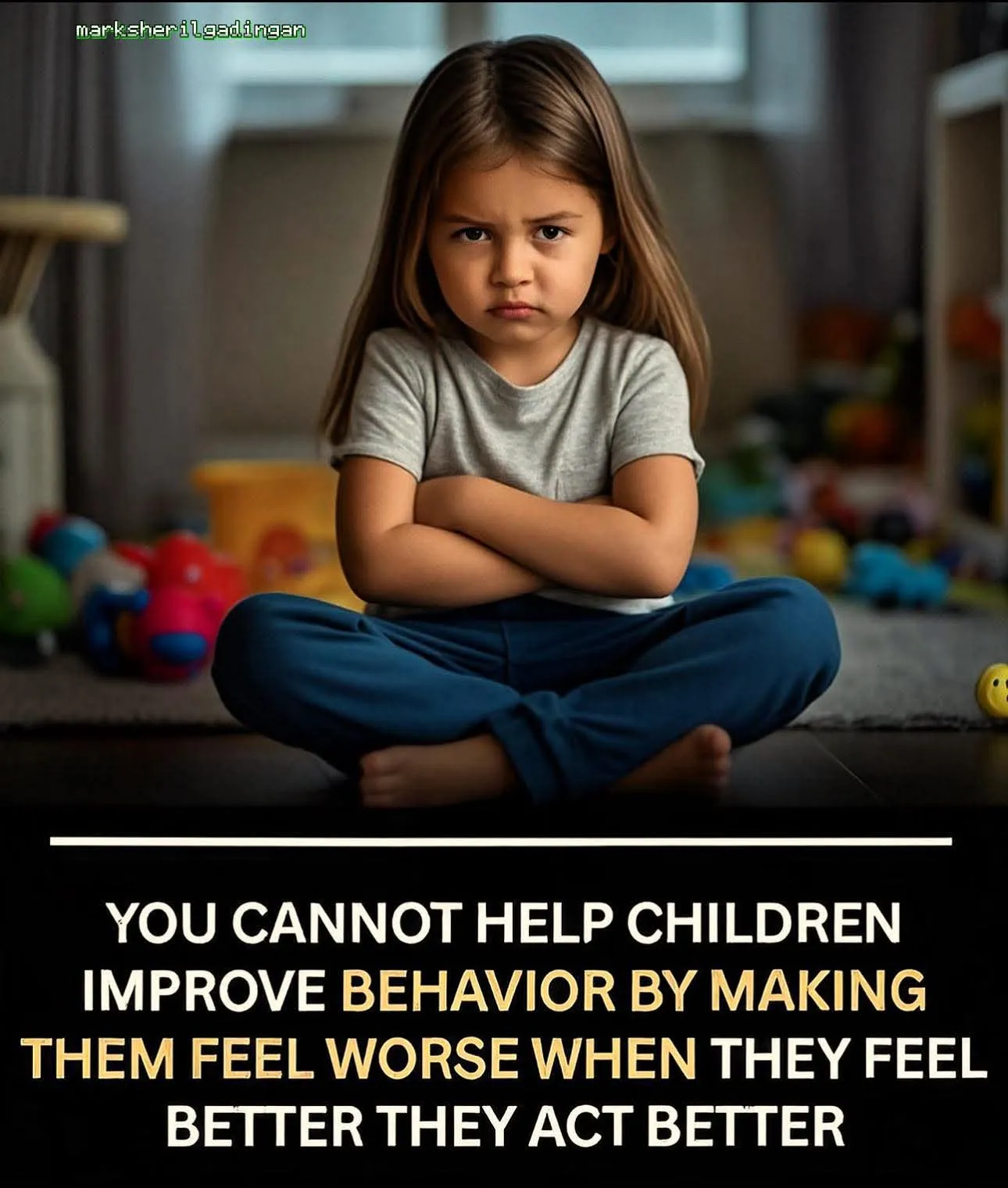
Discipline is often misinterpreted as punishment designed to make children feel guilty or ashamed. However, modern neuroscience and developmental psychology strongly affirm that children cannot learn effectively in a state of fear or humiliation. When exposed to shame or harsh criticism, a child’s brain activates its stress response system. Elevated cortisol levels impair reasoning, memory, and emotional regulation, reducing the brain’s capacity to process lessons constructively (Center on the Developing Child, Harvard University).
Research shows that positive discipline strategies—clear boundaries combined with empathy—enhance self-regulation and long-term behavioral outcomes. Studies indicate that children raised with authoritative (not authoritarian) parenting demonstrate higher emotional intelligence, stronger academic performance, and improved social competence (American Psychological Association).
Islamic teachings align remarkably with these findings. The Prophet Muhammad ﷺ exemplified compassion and emotional intelligence in child-rearing. He said, “He is not one of us who does not show mercy to our young” (Tirmidhi). The Qur’an emphasizes wisdom and gentleness in guidance: “Invite to the way of your Lord with wisdom and good instruction” (Qur’an 16:125).
True discipline, therefore, is not about control—it is about connection. Emotional safety builds responsibility, resilience, and moral character. Children behave better when they feel respected, secure, and valued.
References
- Center on the Developing Child, Harvard University. Toxic Stress & Brain Development.
- American Psychological Association (APA). Parenting Styles and Child Outcomes.
- The Qur’an (16:125).
- Jami` at-Tirmidhi, Hadith on mercy toward children.