Digital Saturation & The Cognitive Turning Point of Generation Z
Published: February 19, 2026
By Prof. Nadeem Ahmed Faraz
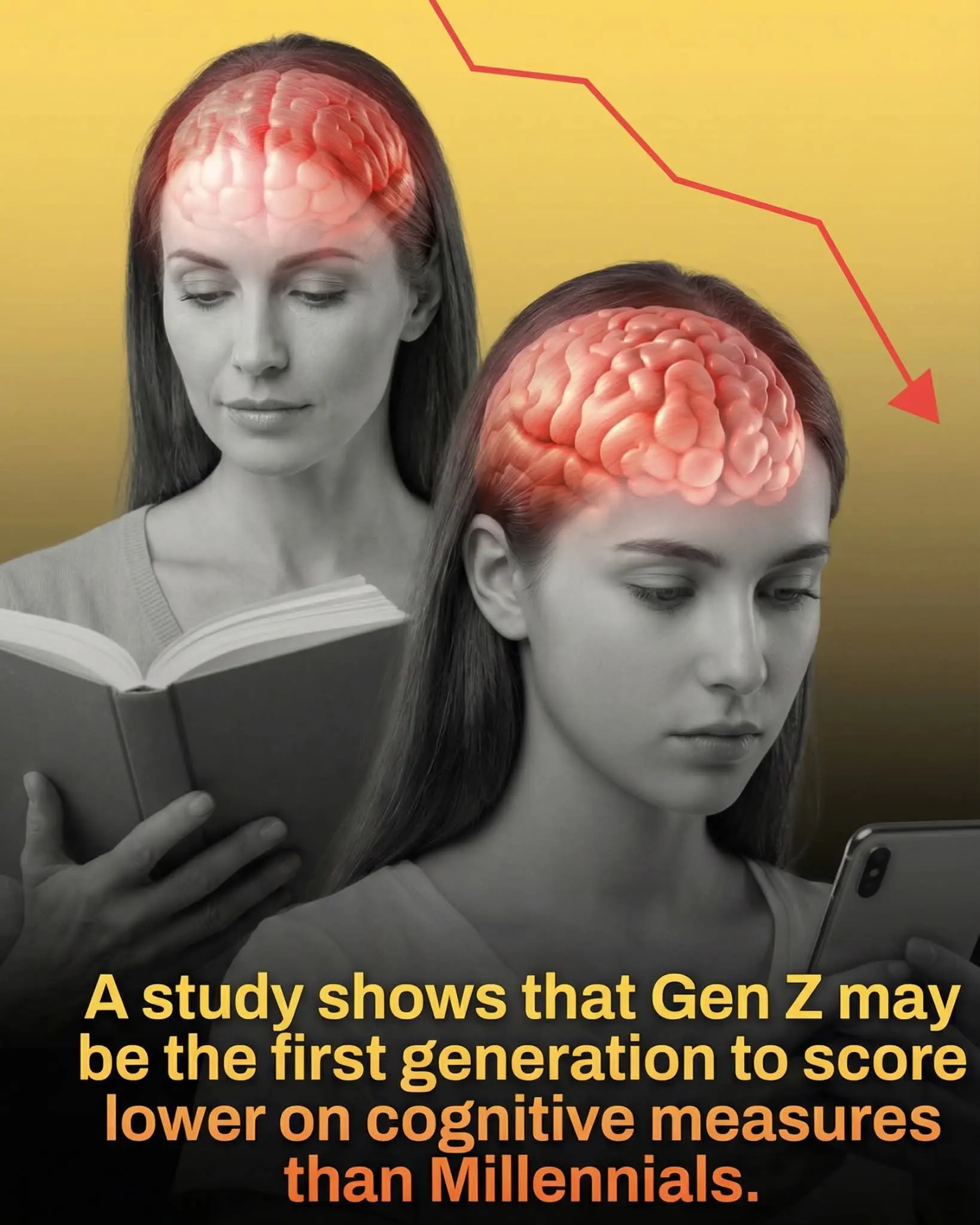
For nearly a century, global intelligence indicators consistently improved—a phenomenon termed the Flynn Effect by intelligence scholar James R. Flynn. Yet, emerging cross-national data now signals a historic reversal. Research presented by Jared Cooney Horvath at the University of Melbourne suggests that Generation Z demonstrates measurable declines in sustained attention, working memory, numeracy, and literacy compared to previous cohorts (Horvath, 2024).
International assessments by the OECD, particularly PISA (2018–2023), report falling reading comprehension and mathematical reasoning scores across advanced and developing economies alike. Neuroscientific evidence indicates that excessive digital multitasking alters prefrontal cortex engagement, weakening deep cognitive processing and long-form comprehension (Rosen et al., 2013; Twenge, 2019). Constant algorithm-driven stimulation promotes rapid scanning over reflective thinking, potentially reshaping neural efficiency patterns.
However, this is not cognitive decline—it is cognitive redirection. The digital age has amplified speed but diminished depth. The strategic response demands structured digital hygiene, research-based pedagogy, critical thinking immersion, and emotionally intelligent learning ecosystems. If guided wisely, Generation Z can integrate technological fluency with intellectual rigor—transforming this cognitive crossroads into a renaissance of higher-order thinking and sustainable human intelligence.
References:
Flynn, J. R. (1987). Massive IQ gains in 14 nations. Psychological Bulletin.
Horvath, J. C. (2024). Digital Saturation and the Reversal of the Flynn Effect in Generation Z. University of Melbourne Research Reports.
OECD. (2019–2023). Programme for International Student Assessment (PISA) Results.
Rosen, L. D., et al. (2013). The distracted student. Computers in Human Behavior.
Twenge, J. M. (2019). iGen. Atria Books.