Carbon Credits: A Smart Climate Solution With Global Importance
Published: January 30, 2026
Abstract
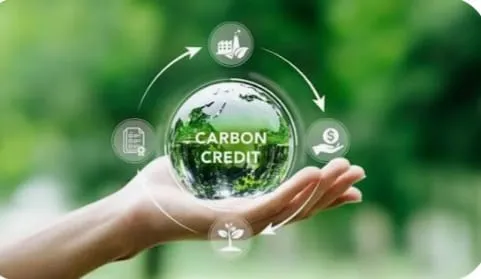
Carbon credits are a market-based environmental instrument designed to help reduce global greenhouse gas emissions by placing a measurable value on carbon reduction and removal. Essentially, one carbon credit represents one metric ton of carbon dioxide (CO₂) or equivalent greenhouse gas that has been avoided, reduced, or removed from the atmosphere. Organizations, governments, and even individuals can use these credits to offset their own emissions by supporting verified climate projects elsewhere.
How Carbon Credits Are Counted and Verified
The process begins by establishing a baseline—an estimate of emissions that would have occurred without intervention. Projects that reduce or remove emissions compared to that baseline generate carbon credits. These include activities like afforestation, clean energy deployment, methane capture, or energy efficiency programs. Credits must be verified independently to ensure they are real, additional, and permanent before they are issued and listed in transparent registries to avoid double counting.
Once a credit is purchased to compensate emissions, it is retired, ensuring it cannot be reused. This guarantees that only genuine climate benefits are claimed by the buyer.
Certification and Standards
Quality carbon credits rely on robust standards such as Verified Carbon Standard (VCS) or Gold Standard, which set strict requirements for measurement, monitoring, and third-party validation of emission reductions. These frameworks build trust and help buyers confidently use credits toward climate goals.
Importance and Global Impact
Carbon credits serve multiple critical purposes:
- Advancing Climate Goals: They provide practical pathways for entities to work toward net-zero targets by investing in emission-reducing activities.
- Economic Opportunity: The global carbon credit market is rapidly expanding, with projections suggesting substantial growth by the early 2030s, reflecting rising demand from corporations and governments.
- Supporting Sustainable Projects: Revenue from carbon credits can fund conservation, renewable energy, and community development projects, linking environmental progress with social and economic benefits.
- National Benefits: Countries like Pakistan have the potential to earn significant revenue from carbon credit exports, with annual income potentially reaching hundreds of millions to over a billion dollars if integrated into global markets.
Conclusion
While carbon credits are not a substitute for reducing emissions at the source, they are an essential tool in a broader climate strategy. When implemented with rigorous standards and transparency, they can drive investment in climate solutions, support sustainable development, and help countries meet their international climate commitments.
References
- Carbon Credits Explained – Carbonmark
- Carbon Markets & How They Work – UNDP Climate Promise
- Global Carbon Removal Market Growth Projection – Reuters
- Pakistan Carbon Credit Market Potential – Daily Jang

By Prof. Nadeem Ahmed Faraz