Bloom’s Taxonomy as a Practical Tutorial Guide for Teachers: Aligning Classrooms with Future Learning
Published: April 2, 2026
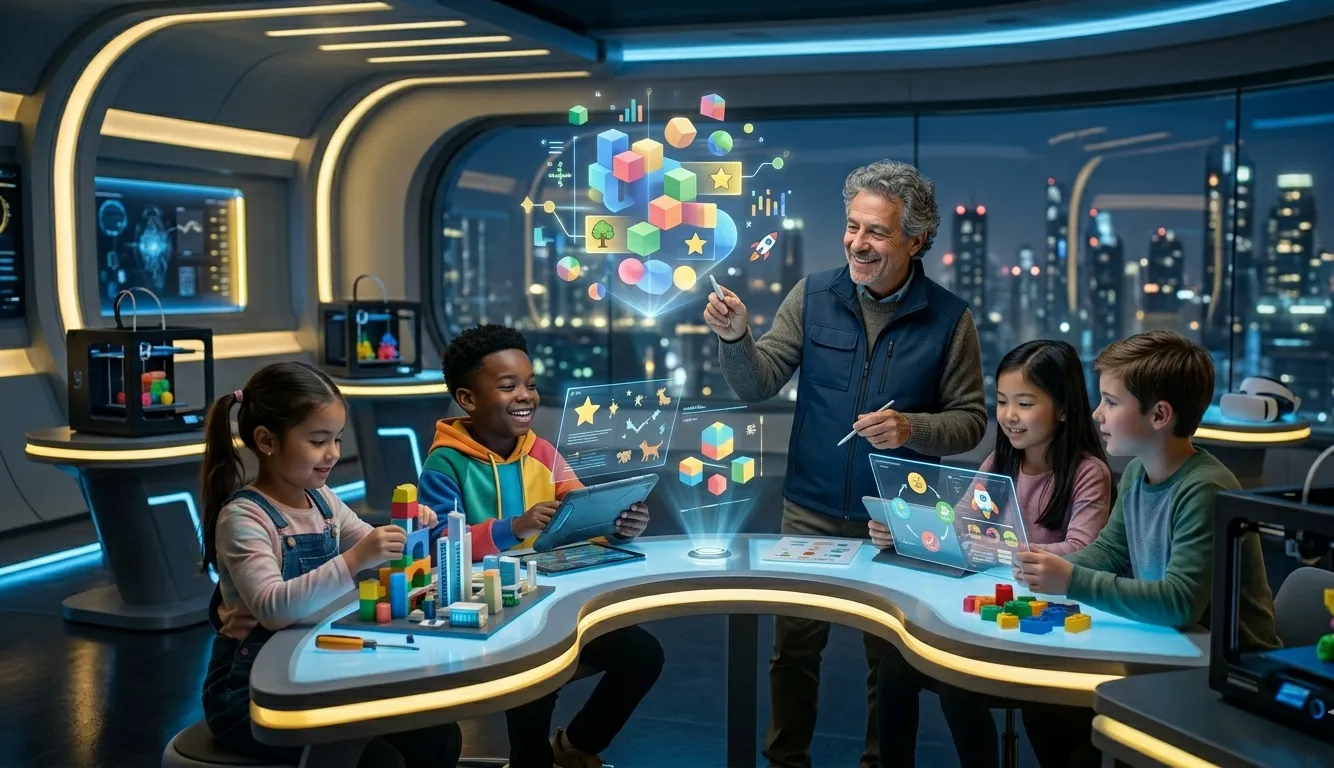
In the era of Artificial Intelligence, digital transformation, and future economies, educators must go beyond traditional teaching methods. Bloom’s Taxonomy, developed by Benjamin Bloom, provides a powerful framework to transform classrooms into centers of critical thinking, innovation, and real-world problem solving.
This tutorial guide enables teachers and educationists to practically apply Bloom’s Taxonomy in modern classrooms aligned with Future Learning principles.
Step 1: Start with Clear Learning Objectives
Design objectives across all six levels:
- Remembering: Recall facts
- Understanding: Explain concepts
- Applying: Use knowledge
- Analyzing: Break down information
- Evaluating: Judge based on criteria
- Creating: Develop new ideas
👉 Future Learning Insight: Focus more on higher-order skills (Analyzing, Evaluating, Creating) to prepare students for AI-driven environments.
Step 2: Design Smart Classroom Activities
Transform lessons into interactive experiences:
- Quizzes for remembering
- Discussions for understanding
- Case studies for applying
- Data analysis tasks for analyzing
- Debates for evaluating
- Projects & innovation labs for creating
👉 Integrate digital tools and AI platforms to enhance engagement.
Step 3: Shift from Teaching to Facilitation
Modern educators must act as facilitators, mentors, and innovators rather than information providers. Encourage inquiry-based learning, collaboration, and creativity.
Step 4: Align Assessment with Thinking Levels
Traditional exams test memory. Future-ready assessments should include:
- Project-based learning
- Real-world problem solving
- Critical analysis tasks
- Innovation-driven assignments
Step 5: Integrate Future Learning Skills
Bloom’s Taxonomy must be aligned with:
- AI & Digital Literacy
- Emotional Intelligence
- Entrepreneurial Thinking
- Global Competency
👉 This ensures students are not just educated but future-ready leaders.
Conclusion
Bloom’s Taxonomy is no longer just a theoretical model—it is a strategic tool for transforming education systems. By aligning it with Future Learning, teachers can nurture innovative minds capable of leading in 2030, 2040, and beyond.
“The goal of education is not to fill minds, but to develop thinkers, creators, and leaders.”
References
- Benjamin Bloom (1956). Taxonomy of Educational Objectives.
- UNESCO (2023). Future of Education Report.
- World Economic Forum (2024). Future of Jobs Report.
- OECD (2023). Education 2030 Framework.